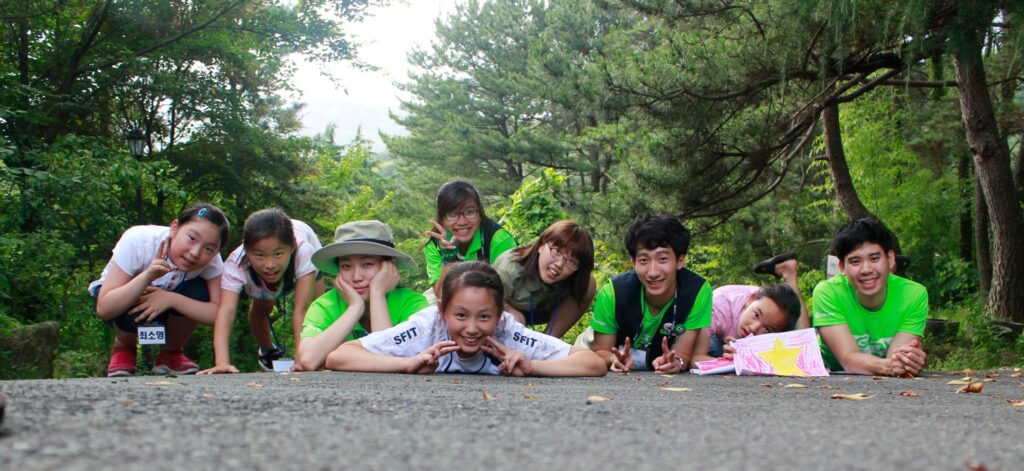


International volunteers are invited to create activities that improve students’ English communication skills and promote intercultural learning. Through interactive methods—such as games, songs, storytelling, creative workshops, and cultural exchange—volunteers help students gain confidence, develop curiosity, and expand their global perspectives in a supportive environment.
Volunteers will serve as intercultural facilitators and language supporters in the school community. Their main role is to help students practice English in a practical, enjoyable way while sharing their own cultures. Volunteers are not expected to replace professional teachers but to complement classroom learning through creative and interactive approaches.
Planned Tasks
English Language Support: Assist teachers in English lessons by focusing on communication and conversational practice.
Intercultural Activities: Organize games, storytelling, songs, and cultural workshops to broaden students’ global perspectives.
Extracurricular Engagement: Support activities such as sports, arts, music, and school events where English can be naturally practiced.
Learning Materials: Help create simple teaching aids, worksheets, or digital content to support lessons.
Vocational & Life Skills: For students in the vocational program, volunteers may contribute by sharing practical skills or simple professional communication in English.
Work Schedule
Monday–Friday, 08:30–15:30 (school hours).
Morning: Assist in classroom English activities and intercultural learning sessions.
Afternoon: Support extracurricular programs, group activities, and tutoring sessions.
Weekends are free for volunteers to rest, explore local culture, or join community activities
Accomodation and food
Volunteers will stay at the school accommodation provided on campus. Rooms are simple but comfortable, with basic furniture and shared facilities. Staying within the school grounds allows volunteers to be close to the students and easily integrated into daily school life.
Meals are provided at the school canteen, offering local Thai food three times a day. This arrangement not only ensures convenience but also allows volunteers to experience authentic Thai cuisine as part of their cultural immersion.
Internet Wi-Fi is available in the school area, making it possible for volunteers to stay connected with family, friends, and project coordinators.
See project picture, work and accommodation here.
Location and leisure
Rajaprajanugroh 33 School, located in Lopburi Province in Central Thailand
Project hosted by
Rajaprajanugroh 33 School, located in Lopburi Province in Central Thailand, is a boarding school under the Rajaprajanugroh Foundation under Royal Patronage. It is a welfare education institution where children can study and live without paying any expenses. The school provides education, food, and accommodation for children who face social difficulties, such as loss of parents or guardians and family economic hardship.
The school currently has about 500 students, from kindergarten (around 4–5 years old) through secondary education (Grade 12), and also offers vocational certificate programs. Most students come from disadvantaged backgrounds, including those from rural areas and vulnerable communities across the region.
Aims of the School
The mission of Rajaprajanugroh 33 School is to develop students into morally grounded individuals with the knowledge and skills to reach their full potential. The school emphasizes strengthening foundational knowledge for a better quality of life and competitiveness, fostering life skills for well-being at both local and global levels, and enhancing students’ capacity for future careers.
Directions to meeting point
Meeting Point At Bangkok Suvarnabhumi Airport
13:00, 1st of every month
TERMINAL: Arrival Hall Bangkok Suvarnabhumi Airport
Additional comments
Clothing:
Lightweight, breathable fabrics suitable for warm weather.
Modest attire that respects local customs (long skirts or trousers for women, shirts with sleeves).
Comfortable shoes for walking and working.
Teaching Materials:
Educational resources such as books, lesson plans, and flashcards.
Art supplies (crayons, markers, construction paper) for engaging students in creative activities.
Basic stationery (notebooks, pens, pencils) to share with students.
Health and Hygiene Items:
Personal medications and a basic first-aid kit.
Mosquito repellent and sunscreen to protect against sunburn and insect bites.
Hand sanitizer and hygiene products.
Technology:
A laptop or tablet (if available) to help with lesson planning and presentations.
Portable charger or power bank, as electricity may be limited in some areas.
Gifts for Students:
Small items like pens, notebooks, or educational games to foster goodwill and create a positive atmosphere.
Cultural Items:
Items that showcase your own culture (e.g., traditional crafts or food items) to share with students and teachers, promoting cultural exchange.
Local Currency:
Bring some Thai Baht for local purchases. Familiarize yourself with exchange rates before traveling.
We recommend to buy local sim cards upon your arrival for internet, E-sim or roaming. You can use the internet wifi at the school