
• Replanting rice plants in flooded fields- The rice (seeds) is first sowed. After a few weeks, the young seedlings are harvested in bunches. These are then separated into individual plants and replanted in the flooded rice fields in evenly spaced rows to allow the plant to grow to full size. This improves the yield of seeds the plants will produce.
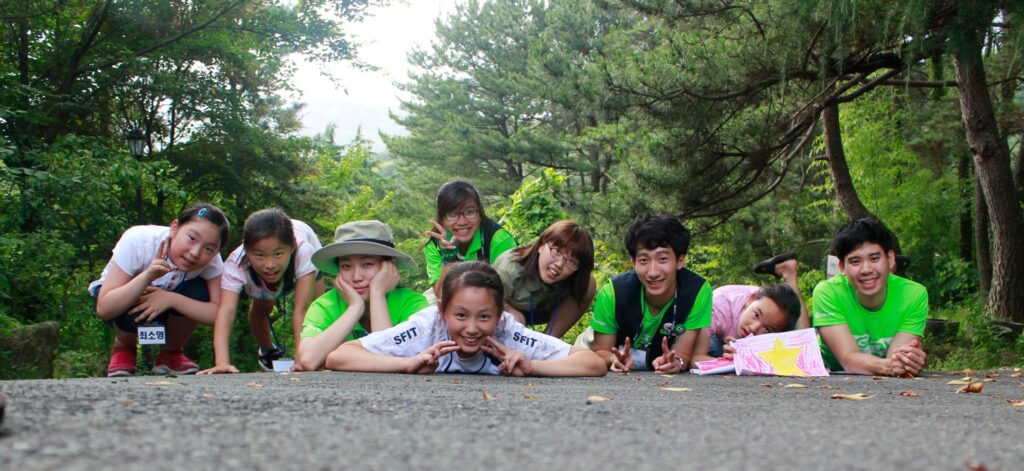
• Creating games and activities for children
• Culture exchange and discovery
Requirements
The volunteers should be ready to stay in a remote area, to adapt to the local conditions with only basic facilities. Not many local people are able to speak in English. Volunteers should be able to handle spontaneous working environment and constant changes in the plans. The mentality and way of thinking is very different from the western world. There will have activities with the children. To have responsibility for you, the kids and full involvement in community matters is a must. You will be led by a DaLaa member/staff who will help to coordinate the project.
Accommodation
Volunteers will stay at the local people house. You will be provided, a small mattress, a pillow and a mosquito net. It’s good if you can bring your own light blanket/sleeping bag/bed sheet while the temperature will be around 25 in the night. The living condition is very simple, you may find it completely different than in your country. There are basic toilets and showers and a kitchen where volunteers will cook by themselves. The ingredients can be purchased at local grocery stores. It may be helpful if you bring some ingredients from home, so that you can share some of your traditional food with other volunteers. (No oven, only a gas and woks or pans). As mention that it’s a Muslim village, so there will be no pork used for cooking.
Free time possibilities:
Sukorn Island (Koh Sukorn) is a small island situated in Palian district, Trang province. The island covers an area of 14 sq km. Like every year, we will be conducting activities with communities of Baan Laem and Baan Toong. In these 2 villages, there is population of 1,200 or 337 families, of which 95% are Muslims. The common occupations of the villagers are fishing, rubber tapping, as well as agriculture; growing paddy, watermelons, traditional way of growing vegetables, and keeping livestock. In general, the villagers are very generous and still remain the culture of supporting and sharing with each other. Furthermore, they also believe that paddy and agriculture is the main food stability of the village.