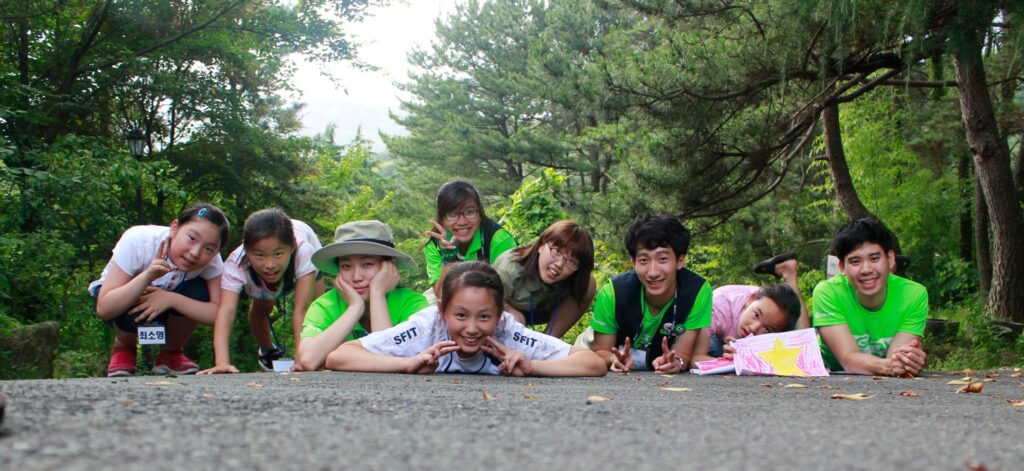


Volunteers will get to put their talents into action They are expected to arrive to the camp with some cultural performances from their countries already prepared (such as folklore dances or other dances, songs, music playing, acting, games, humor, storytelling or other performances) to entertain elderly and other locals in community events, as there will be traditional festivals and community gatherings, like a Storytelling Walking Tour Day, guided by elderly who will share stories and traditions, a Senior Intercultural Meeting and the Active Granja Corn Fest (where they will experience local traditions and have fun with the community). Volunteers will do crafts in order to build handmade tourism information panels for the PR7 walking trail (these panels will identify tourist points of interest that are associated with QR coded-signage, linked to the official municipal tourist webpage https://www.visitcastrodaire.pt/), decorate granaries using handmade ornaments they will carry out in a creative workshop, install a Literary Granary (a small public library inside a granary). They will move across the village territory on foot, by quad bike, van or tractor during a heritage bootcamp to carry out research and documentation of the villages built and natural heritage (such as public buildings, fountains, granaries, cellars, ovens, threshing floors, landscape heritage in river, forest and mountain areas) while installing their handmade panels and recording stories, photos, videos and doing environmental clean-up actions. They will also clean and restore a water mill and will help translate heritage content into English and other languages. Most meals will be prepared by volunteers themselves through the Meals of the Nations sharing initiative, which consists of cooking lunch and dinner typical of their own countries. Volunteers are always responsible for setting and clearing the table, washing and putting away the dishes, cleaning and tidying the kitchen, bathrooms, dormitory and shared spaces, according to a task schedule
Accomodation and food
The lodgement of the camp is Granja Sports Hall, a very large indoor sports hall, located around 700 walkable metres away from the centre of the village. It will be divided into a bedroom area and a large multipurpose area. The dormitory will be adapted in the bottom side of the building with camp beds, and its area will be separated for boys and girls with movable dividers. ThereIs an entrance for an adjoining bathouse with ladies bathroom and gentlemen bathroom. The multipurpose area will be used for meals and activities. There is also a kitchen with a stove, a fridge and cockery. ThereIs a bar where drinks and snacks can be bought. There isnIt any laundry service, but the GDRG association is making efforts to provide a washing machine. Volunteers are provided with dinner on the 23rd of July and they will be provided with breakfast, lunch, a small snack in the afternoon and dinner until the 1st of August. (On a daily basis, there will be water, milk, barley coffee, tea, cereals, some fruit, bread and butter available in the kitchen for breakfast and for snack).The volunteers will be provided with transport from the meeting point (Viseu Bus Terminal) to Granja, at 17h30, on the arrival day (23rd of July 2026), also during campwork activities and from Granja to Viseu Bus Terminal on the departure day (2nd of August 2026), at 10h30.
Location and leisure
The camp is situated in Granja rural village, which is around 3,5 hours away from Lisbon and around 1,5 hours away from Oporto. Granja belongs to the parish of MEes, municipality of Castro Daire, district of Viseu. The closest city to Granja is Viseu, which is located 40 km away. This village was born more than 2 centuries ago from a little farm. There are around 150 inhabitants there and the same number of immigrants abroad. Granja has a beautiful natural landscape, thereIs a community of popular people who value their traditions and folklore. Except for the association GDR Granja bar, there isnIt any commerce store in the village, but there are some supermarkets and other shops available in MEes or Castro Daire, in a distance of 5 or 10 km away.
Project hosted by
Active Granja takes place in the rural village of Granja, located in Castro Daire municipality, a mountain area in the centre of Portugal. Many residents are old and live alone, the village faces challenges such as isolation, ageing population and lack of opportunities. The main aim is to support the sustainable development of the village through community engagement, intergenerational interaction, heritage preservation, environmental care and intercultural exchange. During the camp, volunteers will live together, cook together, clean and organize shared spaces, work as a team and take part in real activities that benefit the local community. Through daily interaction, local engagement, cultural exchange and shared moments, volunteers will help reduce isolation among people, help research and document the villages tangible and intangible heritage and make it more accessible to international visitors. They will also take part in the creation of tourist infrastructure, join clean-up actions and restore communal spaces. They will enjoy cultural learning through workshops, festivals, music, dance, theatre, cinema, excursions and shared meals
Directions to meeting point
Travel from Porto SEU Carneiro Airport to CampanhEpound Bus/Train Station (Terminal Intermodal de CampanhEpound- TIC). The best option is by bus or by underground (metro).There are plenty of daily direct buses operated by FlixBus (approximate cost: aO5) or Rede de Expressos (approximate cost: aO7). The journey takes approximately 30 minutes and there are buses available almost every 15 minutes. At SEU Carneiro Airport, the FlixBus and Rede de Expressos stop is in the long distance/ tourist bus area, on the arrival area, just outside the terminal. Follow the signs for buses on the arrivals level (level 0) destination Terminal Intermodal de CampanhEpound (TIC).There are plenty of daily direct metro trips (approximate cost: aO3). The journey takes approximately 35 minutes and there is metro available almost every 15 minutes. Take the Purple Line E.Travel from CampanhEpound Bus Station (Terminal Intermodal de CampanhEpound- TIC) to Viseu Bus Terminal. There are several daily direct buses operated by FlixBus (approximate cost: aO5. The journey takes approximately 2 hours). The last bus to arrive on time at the Meeting Point in Viseu leaves at 15:05 from CampanhEpound