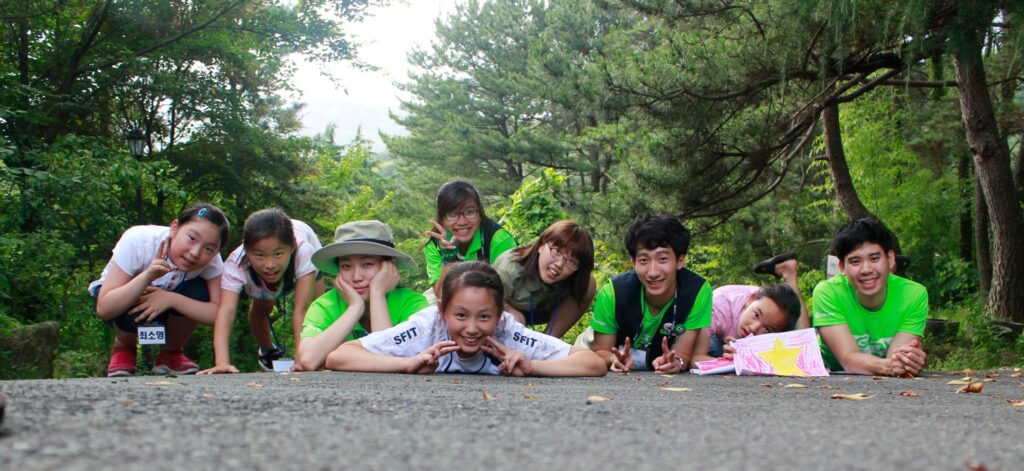
During this workcamp, you will actively take part in the daily life of the Maison and its various activities: collective living (cooking, cleaning, organization, etc.), intercultural exchanges (meeting local residents and association volunteers), and more.
The objective of this workcamp is to raise awareness and build knowledge about sustainable development through exchanges and intergenerational knowledge transfer.
The work will mainly consist of maintaining and developing the Maison’s spring vegetable garden (sowing, transplanting, hoeing, watering, harvesting, processing), as well as preparing the soil for seasonal planting.
You will also take part in the maintenance of compost bins, the phytosanitary pond, the chicken coop, the insect hotel, bat nesting boxes, and the bamboo grove.
Accomodation and food
Collective accommodation in dormitories and/or individual rooms at Maison des Bateleurs. Food is provided, and meals will be prepared in turn by the participants, while respecting sustainable development values and everyone’s cultural backgrounds (with host families and international volunteers present).
Location and leisure
Montendre, Charente-Maritime, 75 km from Bordeaux.
Leisure activities:
At the crossroads of several charming villages in southern Saintonge, you will be able to fully enjoy the local heritage. Outside workcamp hours, various cultural activities and local discoveries will be offered: markets, visits to local producers, and tastings of local products. Trips to Bordeaux, La Rochelle or Angoulême, as well as a day at the ocean, may be organized. Cognac and Saint-Émilion, emblematic towns of the French wine-growing region, are also nearby.
Project hosted by
Sustainable development, particularly permaculture, is a theme deeply rooted in the values of the association and runs transversally through all our actions. For this reason, Maison des Bateleurs – Solidarités Jeunesses has been developing an environmental hub for several years, including a phytosanitary pond, dry toilets, composting facilities, an organic garden, and the use of surrounding natural resources.